
"Arabica Robusta cross"
500 article(s) found
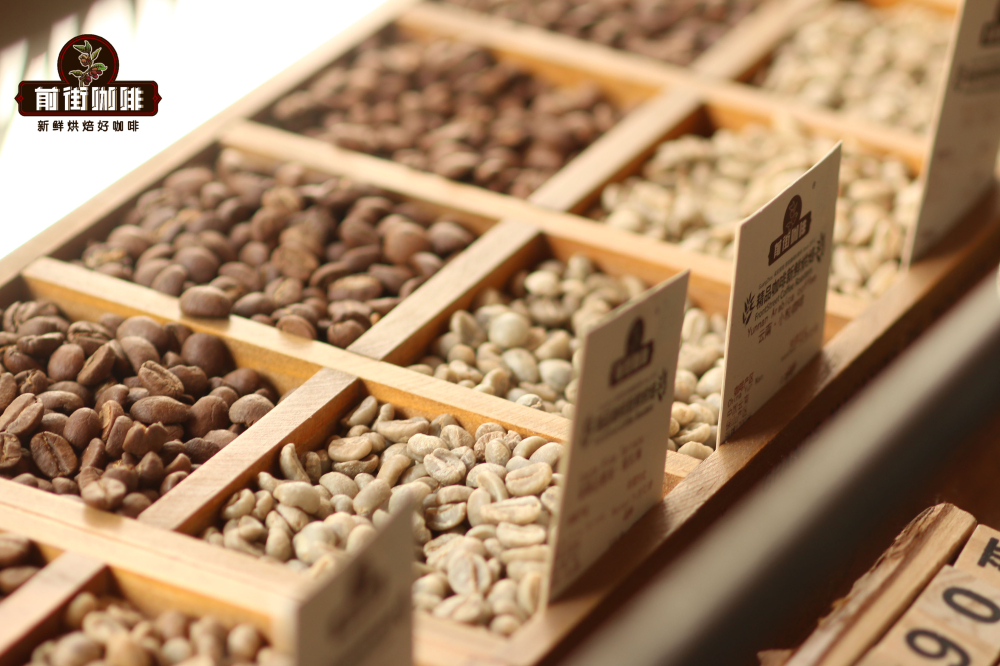
Do Katim Coffee beans belong to Arabica? are the characteristics of Yunnan Katim coffee varieties delicious?
Professional coffee knowledge exchange more coffee bean information please follow the coffee workshop (Wechat official account cafe_style) front street-Yunnan coffee introduction scientists pointed out that the coffee genus contains 103 coffee native species (coffee species), of which can be artificially grown and produce coffee beans, and has a huge commercial price

Introduction to coffee flavor of Sumatra Lindongla Sunawahanna Manor with strong flavor
Sumatra has an equatorial crossing and belongs to a tropical rain forest climate (high temperature and rainy throughout the year, with obvious dry and wet seasons [1]). Due to the high temperature and rainy all the year round, there is little temperature difference in different places, but there are obvious differences in rainfall. The annual precipitation along the west coast is 3000 mm. The geographical location of Sumatra Island is Sumatra. The mountain area can reach 4500-6000 mm. The annual precipitation from the eastern slope of the mountains to the coastal plain 2.

A brief introduction to the transaction Price of Fine Coffee Yellow bourbon Coffee Variety planting Market
Brazil yellow bourbon coffee yellow bourbon itself is a variety of bourbon species, the peel is yellow, Brazil COE competition over the years many times are yellow bourbon leader, charming flavor areas: Syrador varieties: yellow bourbon treatment: sun flavor: light citrus fruit, rich cashew nutty, chocolate sweet taste: sweet and mild soft fruit acid, thick and sweet mouth

What does Arabica coffee taste like? will Arabica coffee taste better?
Professional coffee knowledge exchange more coffee bean information Please pay attention to the coffee workshop (Wechat official account cafe_style) Coffee varieties can be divided into Arabica, Robusta and Liberica if they are biologically classified. The main varieties to drink in the world are Arabica and Robusta. Due to the low production of Rabrika or

Starbucks is all Arabica coffee beans? Introduction of varieties in Arabica Coffee Bean producing area
Professional coffee knowledge exchange more coffee bean information Please pay attention to the coffee workshop (Wechat official account cafe_style) now there are many coffee shops that always look down on Starbucks and think their coffee is better than Starbucks, and some even say that Starbucks coffee beans are not Arabica but Robusta or Luodou and Arabica, thus blackening a wave of Starbucks.
What are Brazilian coffee brands? What is the best Brazilian coffee brand pilao?
Professional coffee knowledge exchange More coffee bean information Please pay attention to coffee workshop (Weixin Official Accounts cafe_style) to learn more about Brazil, the world's largest coffee producing country. Brazilian coffee bean grade coffee bean is the seed of coffee fruit. After factory treatment, roasting, coffee grinder grinding and brewing, it will finally become the coffee we drink. It's like drinking wine, it's like drinking wine

Explore the flavor of Yunnan Katim coffee beans Yunnan Katim coffee beans
For more information on coffee beans, please follow the Coffee Workshop (official Wechat account cafe_style) Coffee trees are flowering plants of the genus Rubiaceae, ranging in size from small shrubs to 18 meters tall. Wild coffee species grow irregularly in the tropics, and new species are still being discovered. Strictly speaking, coffee is only

Important conditions for planting Coffee of Fine Coffee
There is a noun called coffee belt. There are more than 60 coffee producing countries in the world, most of which are located in the tropics and subtropics between the Tropic of Cancer (latitude 2326). This coffee growing area is called coffee belt (Coffee Belt) or coffee area (Coffee Zone). The annual average temperature of the coffee belt is above 20 ℃, because the coffee tree is a tropical plant, if the temperature is below 20 ℃.
The difference between Arabica and Mantenin Coffee Bean introduction to the characteristics of Mantenin Coffee Bean
Professional coffee knowledge exchange more coffee bean information please follow the coffee workshop (Wechat official account cafe_style) when we drink coffee in a cafe, or when we buy coffee beans in a certain treasure, or even on the menu of some fast food chains, do we often see an advertisement like this?
Important conditions for the cultivation of Fine Coffee
There is a noun called coffee belt. There are more than 60 coffee producing countries in the world, most of which are located in the tropics and subtropics between the Tropic of Cancer (latitude 2326). This coffee growing area is called coffee belt (Coffee Belt) or coffee area (Coffee Zone). The annual average temperature of the coffee belt is above 20 ℃, because the coffee tree is a tropical plant, if the temperature is below 20 ℃.

Arabica Coffee originated in Ethiopia? what was the earliest Arabica coffee like?
Professional coffee knowledge exchange more coffee bean information Please pay attention to the coffee workshop (Wechat official account cafe_style) now more and more places are marked with the name 100% Arabica, and even many people in the industry say that almost all coffee is Arabica, so Alabica is not important at all, point out that this statement is wrong, and come to the conclusion that all good

The types and characteristics of coffee beans what is the relationship between the varieties of Daquan coffee and their origin
Professional coffee knowledge exchange more coffee bean information please follow the coffee workshop (Wechat official account cafe_style) Yunnan coffee bean varieties Typica and Bourbon coffee beans are the seeds of coffee fruit, after the factory processing, roasting, barista grinding, brewing, and finally become the coffee we drink. It's like drinking wine, just drinking wine.
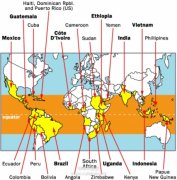
Coffee knowledge, boutique coffee, common sense coffee with Coffee Zone
There are more than 60 coffee producing countries in the world, most of which are located in the tropics and subtropics between the Tropic of Cancer (latitude 2326). This coffee growing area is called coffee belt (Coffee Belt) or coffee area (Coffee Zone). The annual average temperature of the coffee belt is above 20 ℃, because the coffee tree is a tropical plant and cannot grow normally if the temperature is below 20 ℃. Coffee species

Introduction of Coffee Flavor-- an introduction to the Flavor characteristics of Asian, African and American products
There are more than 6000 species of coffee trees, most of which are tropical trees and shrubs. There are four main coffee trees in the world, of which only two are of real commercial value and are planted in large quantities, and the quality of the coffee beans produced by other coffee trees is also higher than that of other coffee trees. The first is Arabica beans, the world-famous Blue Mountain Coffee, Mocha Coffee and so on.
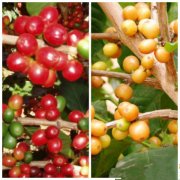
Important conditions of Coffee cultivation basic conditions of Coffee Tree planting
There is a noun called coffee belt. There are more than 60 coffee producing countries in the world, most of which are located in the tropics and subtropics between the Tropic of Cancer (latitude 2326). This coffee growing area is called coffee belt (Coffee Belt) or coffee area (Coffee Zone). The annual average temperature of the coffee belt is above 20 ℃, because the coffee tree is a tropical plant, if the temperature is below 20 ℃.

Popular science | knowledge of coffee varieties, types and characteristics of individual coffee with picture introduction
Professional coffee knowledge exchange more coffee bean information Please pay attention to the coffee workshop (Wechat official account cafe_style) various rare coffee varieties introduction and naming methods there are more than 6000 species of coffee trees, most of which are tropical trees and shrubs. There are four main coffee trees in the world, and only the ones that have real commercial value and have been planted in large quantities

What are the common coffee beans? coffee beans with relatively low acidity are recommended.
Ethiopia-Mocha (special flavor): for the origin of coffee, small particles, dry, turquoise, with a special aroma and sour taste. Ethiopia grades NO.1~NO.8 according to the blending rate of defective beans. Characteristics: fragrant-strong, sweet-medium, acid-medium, alcohol-strong, bitter Java coffee producing area: Java, Indonesia belongs to Arabica coffee. After baking

Popular science | knowledge of coffee varieties, introduction of the types and tastes of individual coffee, price of single bean
For the exchange of professional baristas, please follow the coffee workshop (Wechat official account cafe_style) popular science | knowledge of coffee varieties, types and tastes of individual coffee there are more than 6000 species of coffee trees, most of which are tropical trees and shrubs. There are four main kinds of coffee trees in the world, of which only two are of real commercial value and are planted in large quantities.

Important conditions for coffee cultivation three necessary environmental factors for planting coffee trees
There is a noun called coffee belt. There are more than 60 coffee producing countries in the world, most of which are located in the tropics and subtropics between the Tropic of Cancer (latitude 2326). This coffee growing area is called coffee belt (Coffee Belt) or coffee area (Coffee Zone). The annual average temperature of the coffee belt is above 20 ℃, because the coffee tree is a tropical plant, if the temperature is below 20 ℃.

Is coffee still divided into tree species? what are coffee tree species? what are the specific categories of coffee?
Professional coffee knowledge exchange more coffee bean information Please pay attention to the species and characteristics of coffee trees in the coffee workshop (Wechat official account cafe_style) Coffee belongs to the Genus Coffea family of Rubiaceae in plant taxonomy, and there are at least a hundred coffee varieties below. Coffee trees are only suitable for planting in the tropics or subtropics. Arabica is the native species of coffee today.